Product updates
See what’s new in Tandem
Product updates
See what’s new in Tandem
Product updates
See what’s new in Tandem
Clinical Decision Support is now live
" transform="translate(3 3)" width="14px"/></svg>)
Clinical Decision Support is the part of Ask Tandem that answers clinical questions during the visit. It's live today with select customers across Europe and is CE marked under the European Medical Device Regulation (EU MDR) as a Class IIa medical device.
Ask a clinical question during the visit
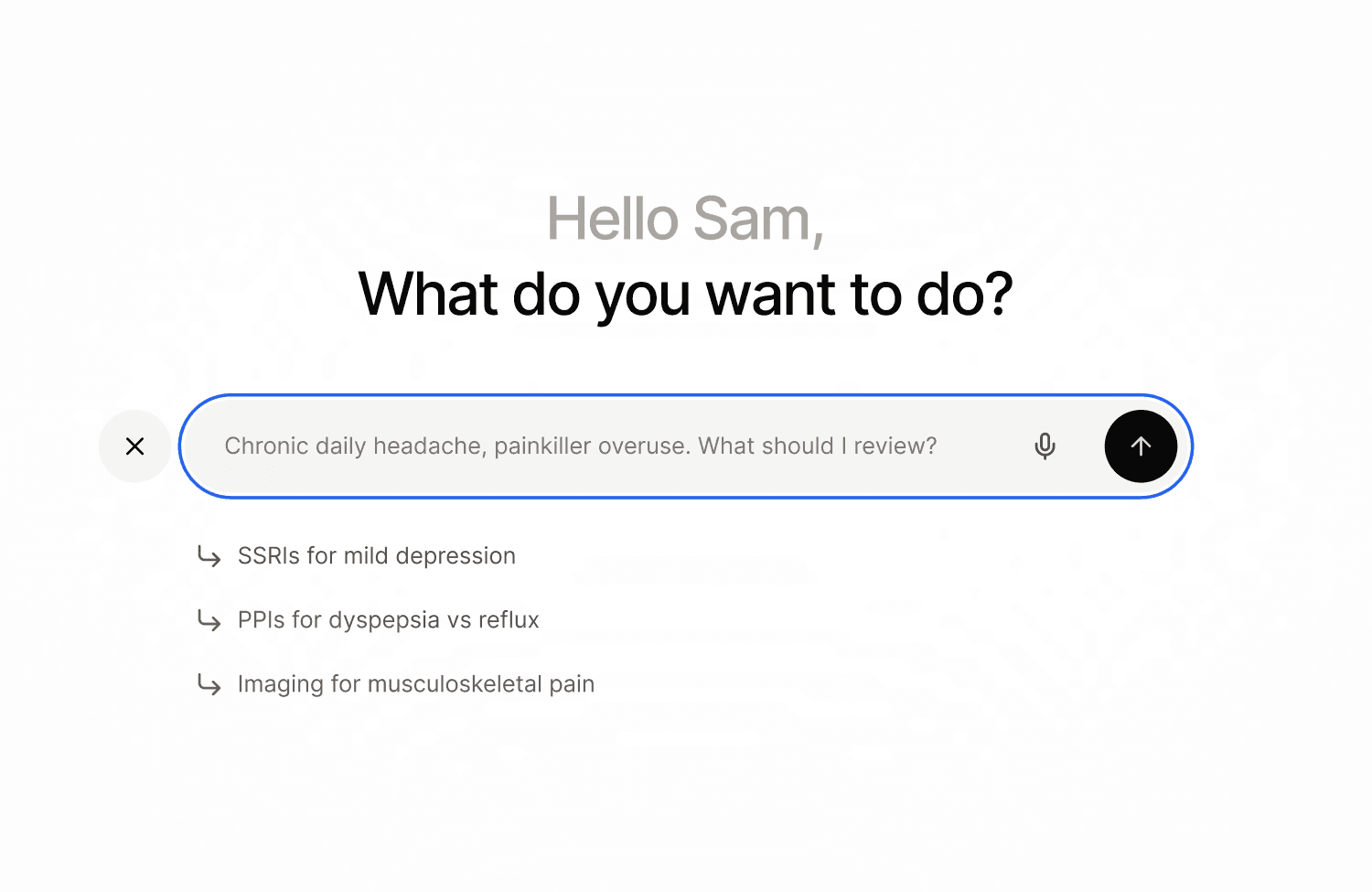
Clinicians can now ask a clinical question in the same chat that just wrote the note. The answer comes back specific to the patient, drawing on the documented case context, in seconds.
Get every answer linked to its source
Every answer cites the guideline, protocol, or paper it came from, so you can verify or follow up before acting on it. Tandem draws on global evidence (Elsevier, NICE), national clinical guidelines, drug references, and any local protocols your clinic has uploaded.
Add your clinic's local protocols
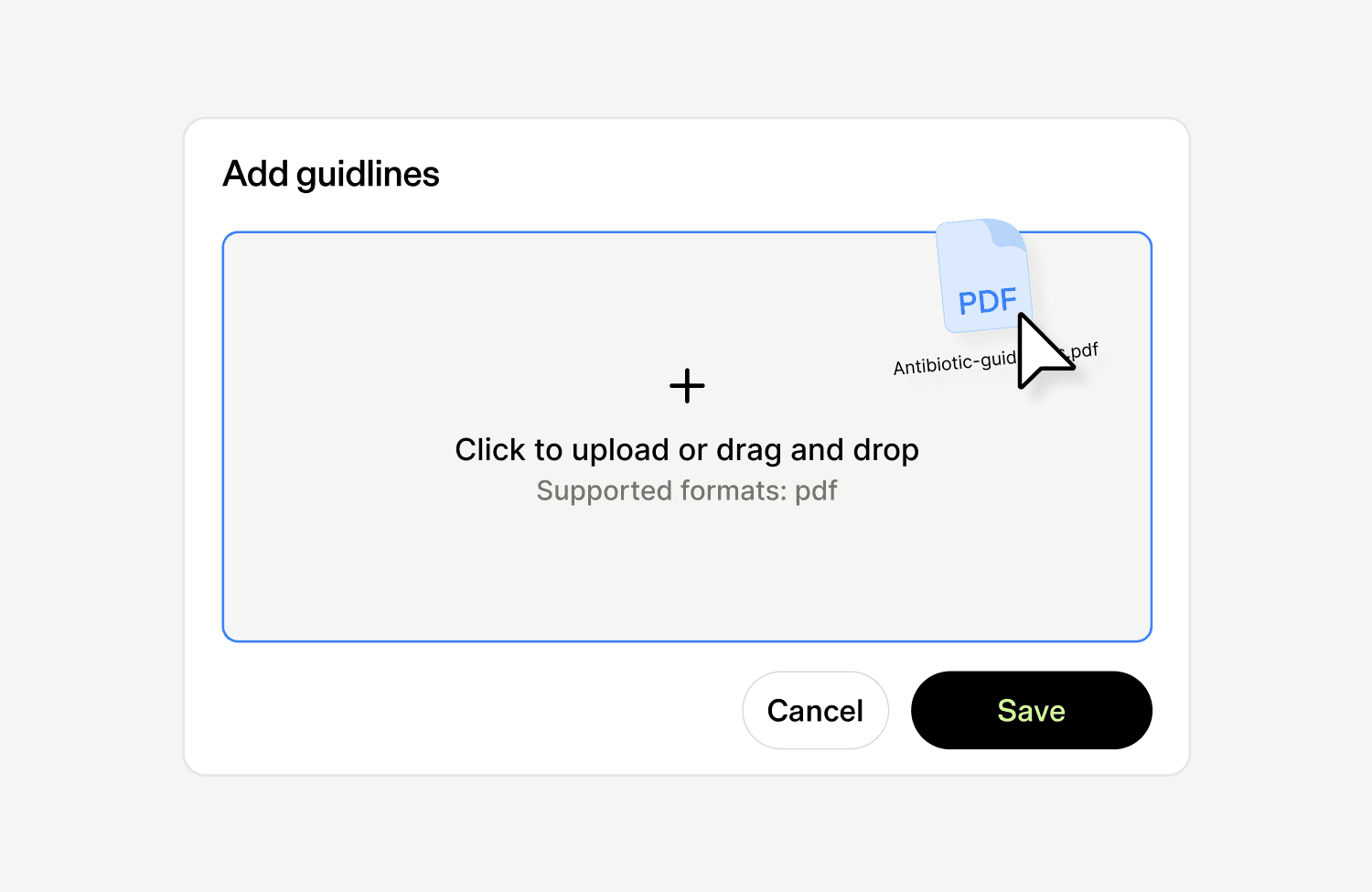
Clinic admins can upload local clinical protocols. CDS uses them alongside national guidelines when answering questions, so the team's own conventions show up in the same chat. Enterprise feature.
Now certified as a Class IIa medical device
Clinical Decision Support is CE marked under the European Medical Device Regulation (EU MDR). Tandem is the only clinical AI platform in Europe with an AI Scribe, Coding Assistant, and Clinical Decision Support, each independently certified at this classification.
Get early access
CDS is available today with select customers across Europe. Request early access at tandemhealth.ai/product/clinical-decision-support.
What’s new: May 2026
Add images and PDFs as context
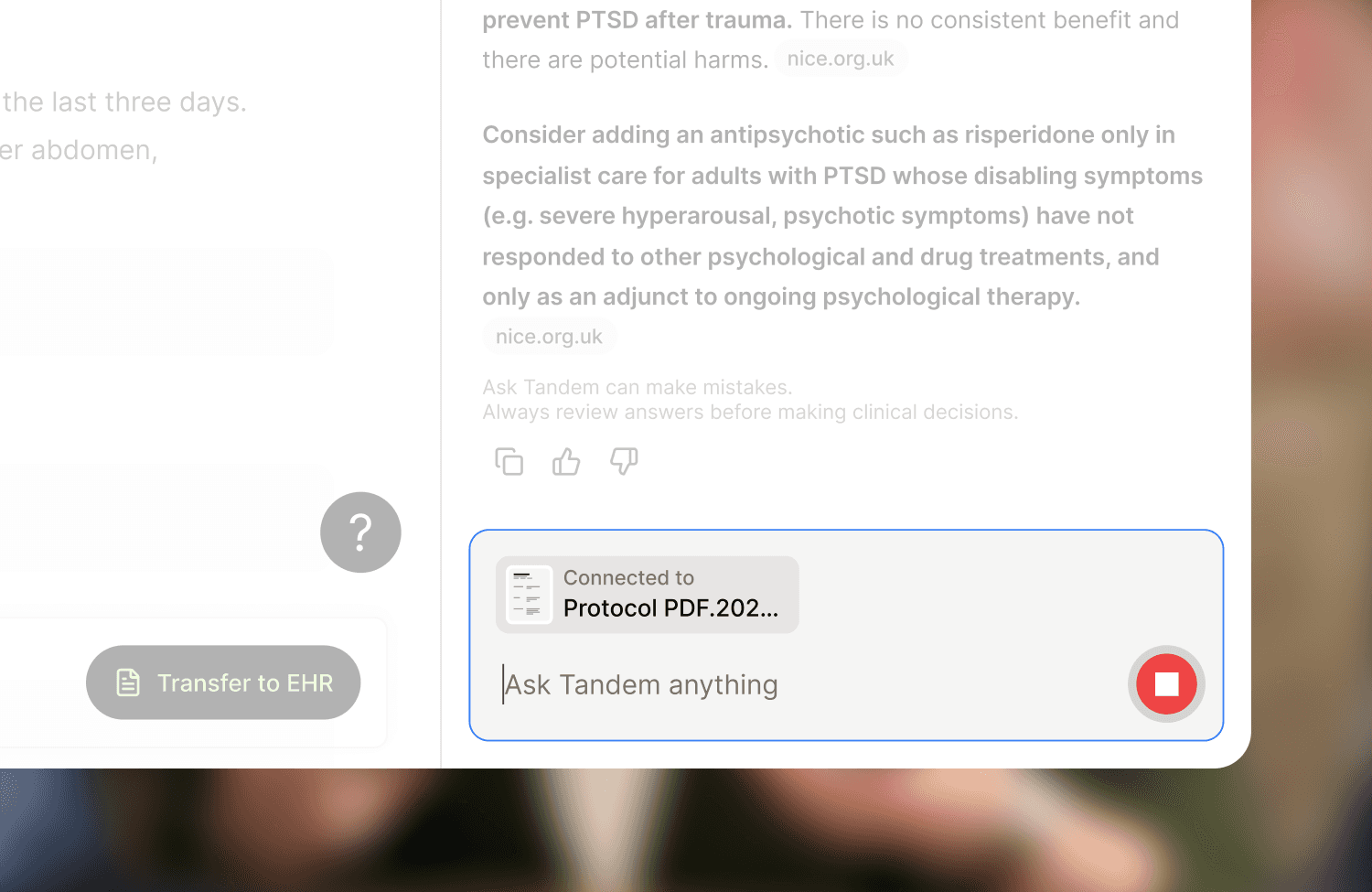
Tandem can now use images and PDFs as additional context when generating a note. Upload a referral letter, a previous note, or a patient's blood pressure log, and Tandem reads the text and uses it in the draft. Raw images and files aren't stored after the note is generated. Currently in early access.
Split a note by reason for visit
Encounters with more than one reason for visit can now produce a separate note per reason. Useful for workflows where each reason needs its own entry, like the Dutch SOEP method or care plans. Rolling out to clinics gradually.
Share templates across your organisation
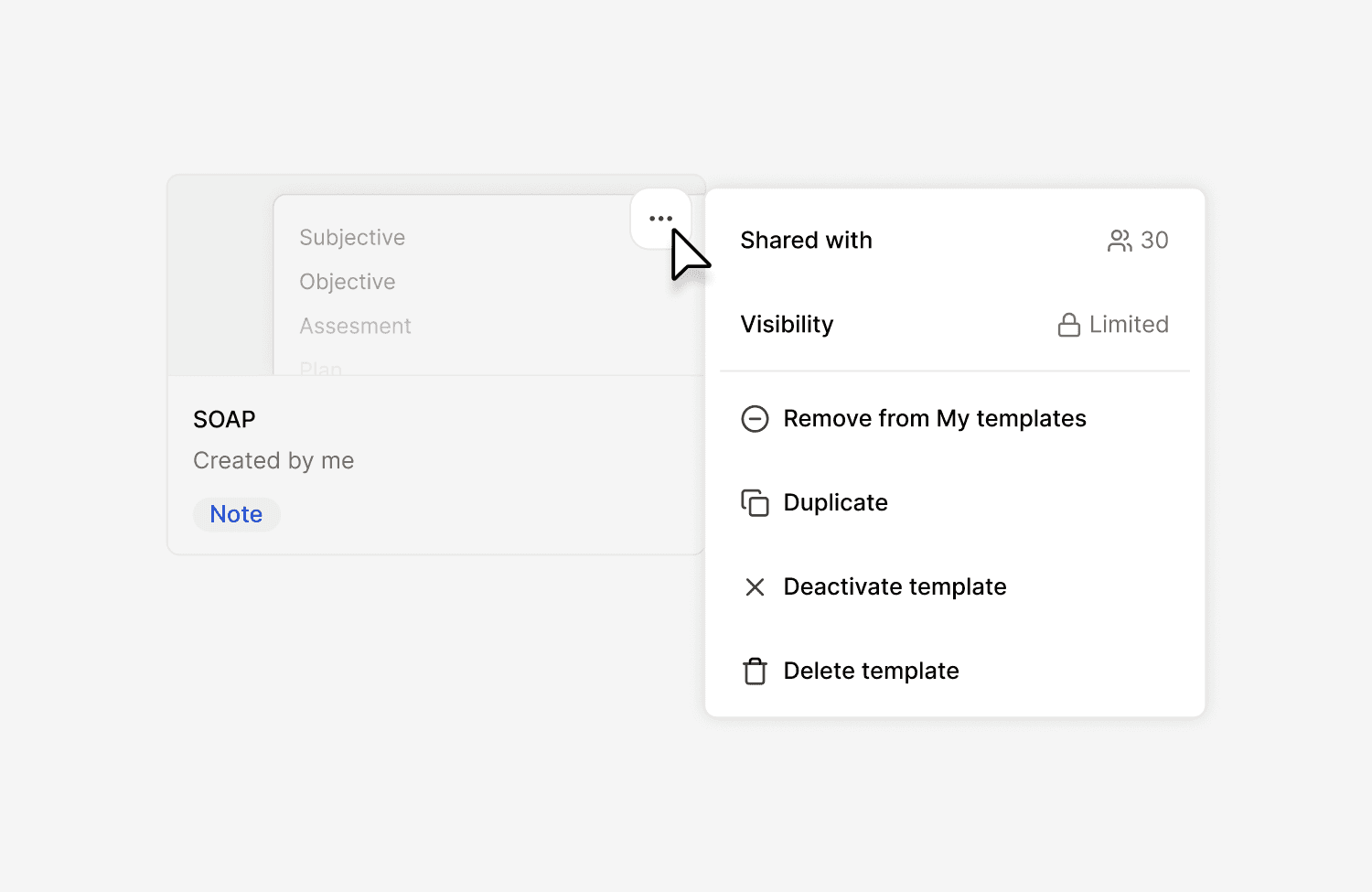
Parent clinic admins can now add templates to a clinic-wide library that automatically inherits down to child clinics. Sharing and activation are also separate now: you can make a template available without forcing every clinician to use it. Currently in early access.
Customise how Tandem names your encounters
Clinic admins can choose how Tandem names encounters across their clinic. Pick one of four presets, or write a custom rule. Each template can also override the clinic default when a particular flow needs something different.
Record on Android, even when offline
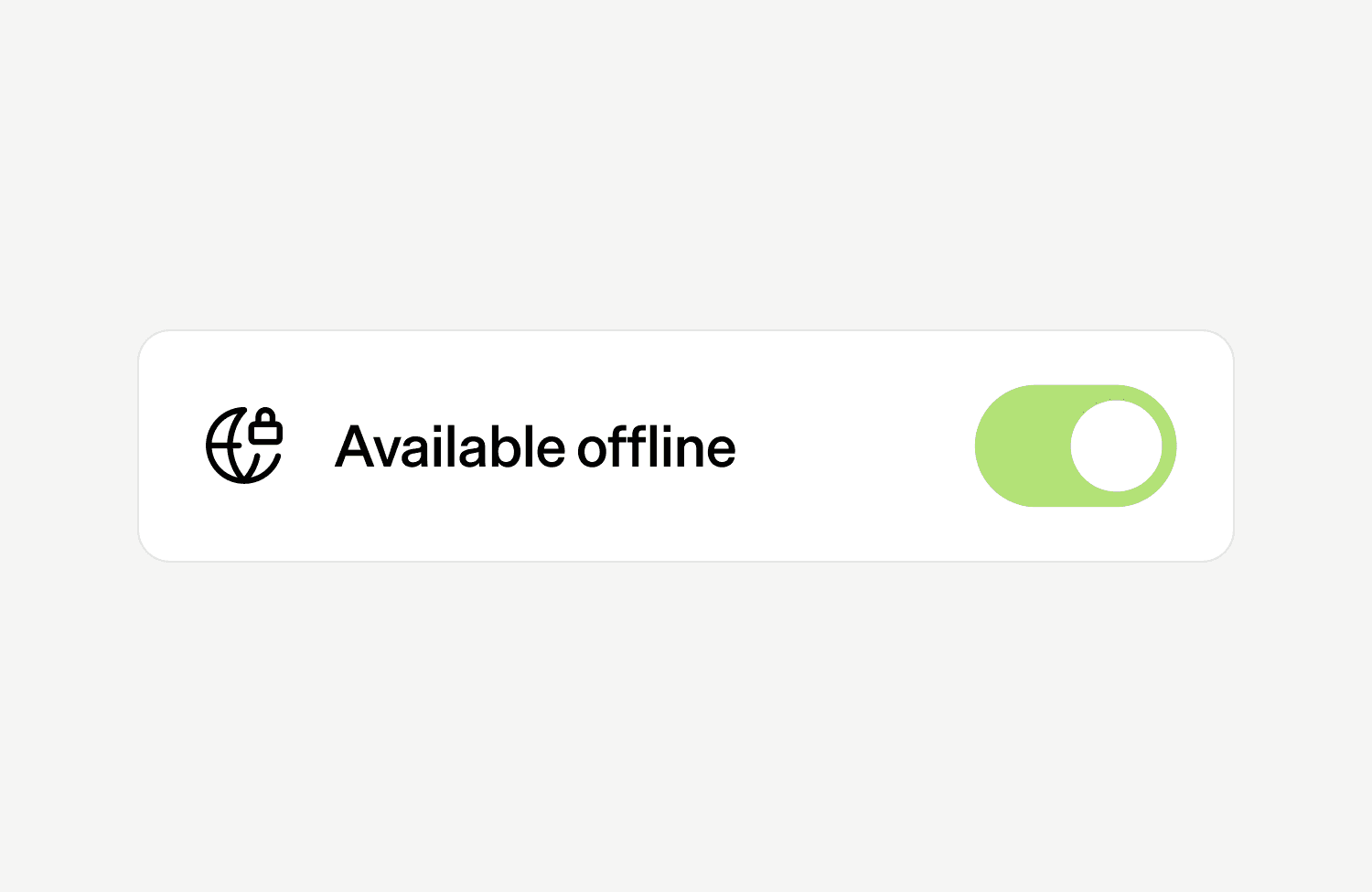
The Tandem Android app is now generally available on Google Play. It records in the background, on a locked screen, and without an internet connection. Audio syncs the next time the device is online. USB microphones and MDM for larger deployments are supported.
Additional improvements
Visit context clarification: when adding extra text alongside a visit, you can now tell Tandem whether it belongs to the current visit or comes from a prior one. Useful when pasting notes from a previous clinician or another setting.
My Clinic dashboard upgrades: new metrics and filters across Weekly overview, Clinic stats, and Clinician stats, including median recording time, Adjust usage per note, and a profession filter.
Use Tandem in Hebrew: Hebrew is now supported across Tandem, including full right-to-left text rendering in the interface.
What’s new: April 2026
Tandem suggests memories from your Adjustments
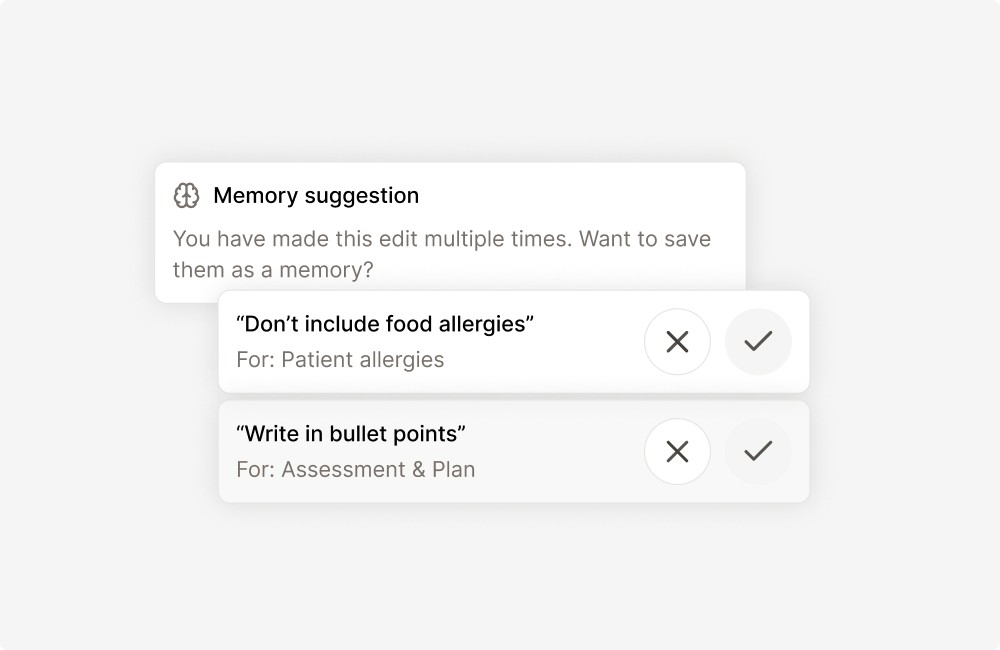
Tandem now picks up on how individual clinicians refine their notes through Adjust, and applies those preferences to every new draft. No setup needed. The more you Adjust, the more the notes sound like you from the first version.
Catch audio quality issues mid-consultation
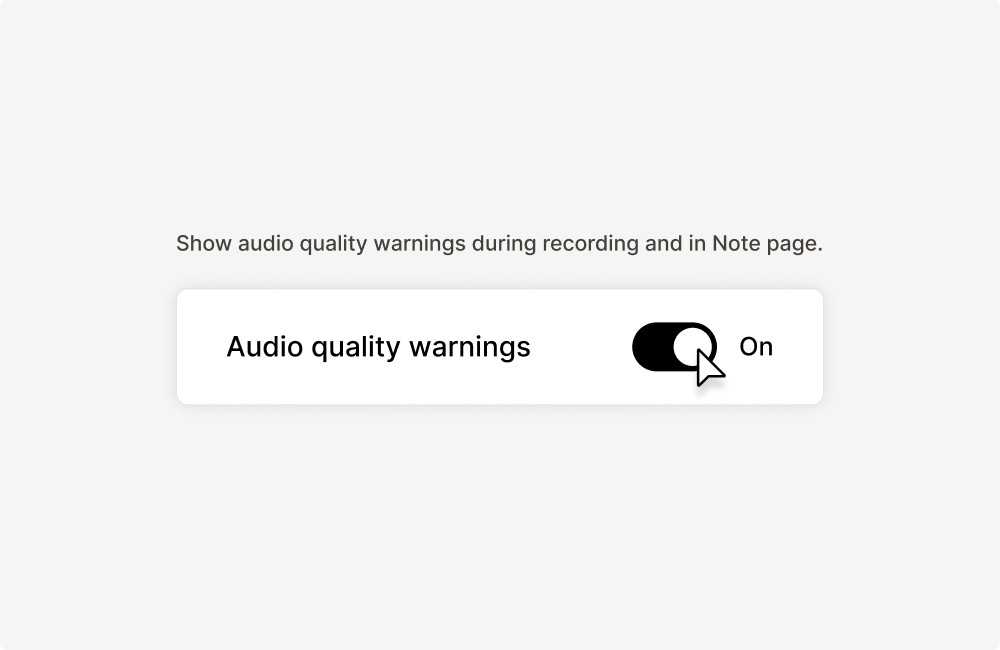
If the microphone picks up noisy, low or poor audio quality during a recording, Tandem now flags it in real time so the clinician can adjust before the consultation ends, rather than discovering a thin note afterwards.
Transfer notes to the medical record system from the secretary inbox
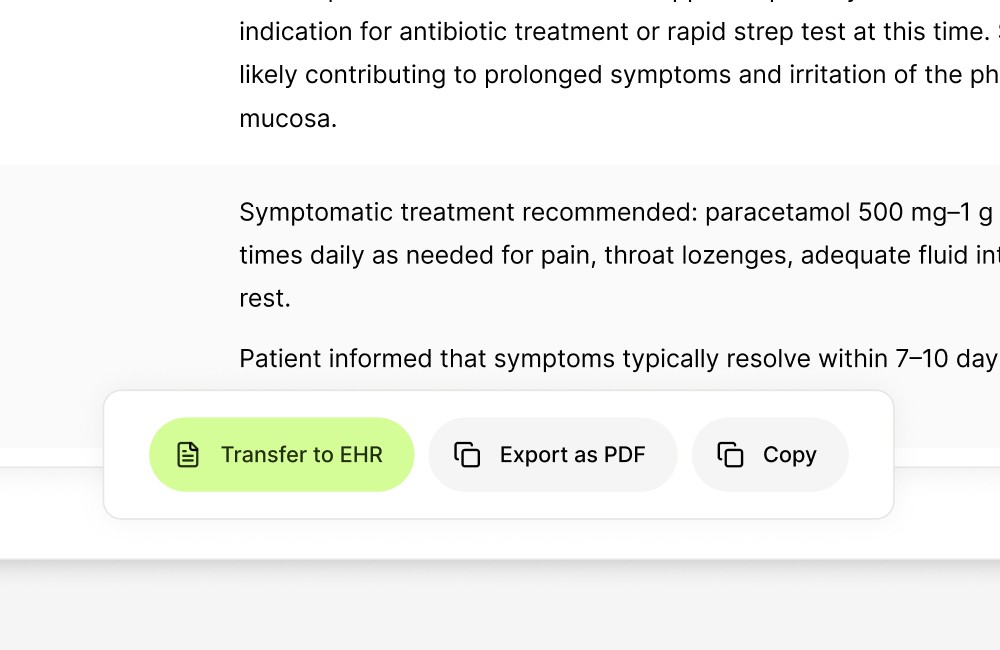
Secretaries can now transfer notes to the medical record system directly from Tandem.
Claim tasks in the secretary inbox
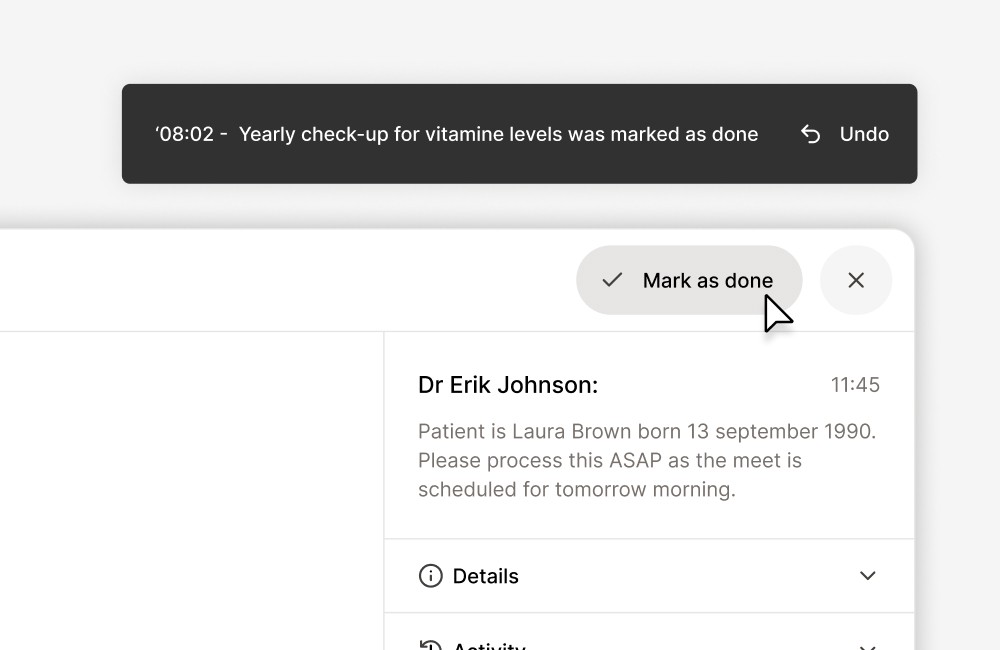
Secretaries can now claim a task in the inbox so the rest of the team can see who's working on what. Claimed tasks show "Claimed by [Name]" to other secretaries and to the clinician. Claims are a signal, not a lock. Anyone can still pick up a claimed task or release it.
See Tandem usage across your organisation
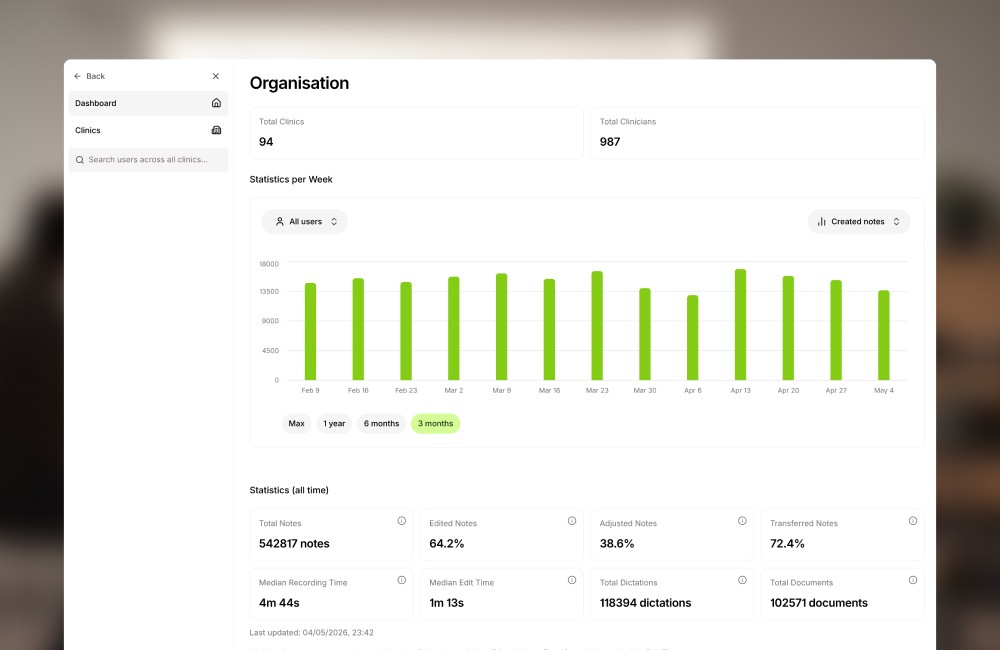
Clinic admins have a new dashboard showing how Tandem is being used across their organisation: active clinicians, usage trends, and where adoption is strongest. A single view for reporting and for spotting teams that need more support.
Undo any draft edit
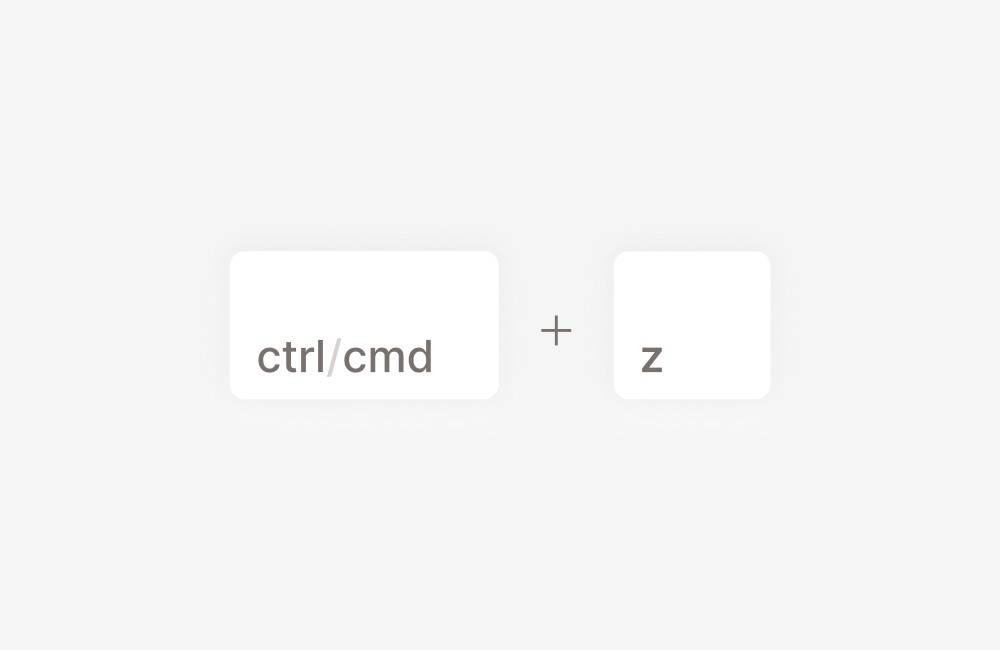
Ctrl/Cmd + Z now steps back through any change you've made to a draft note in the current session. Manual edits, AI adjustments, full regeneration, template changes, and field deletions are all reversible, not just the most recent one. The history resets when you reload the page.
New integrations
New medical record system integrations: Treserva Web, Promedico ASP, and Teladoc Health (Salesforce).
What’s new: March 2026
Note traceability
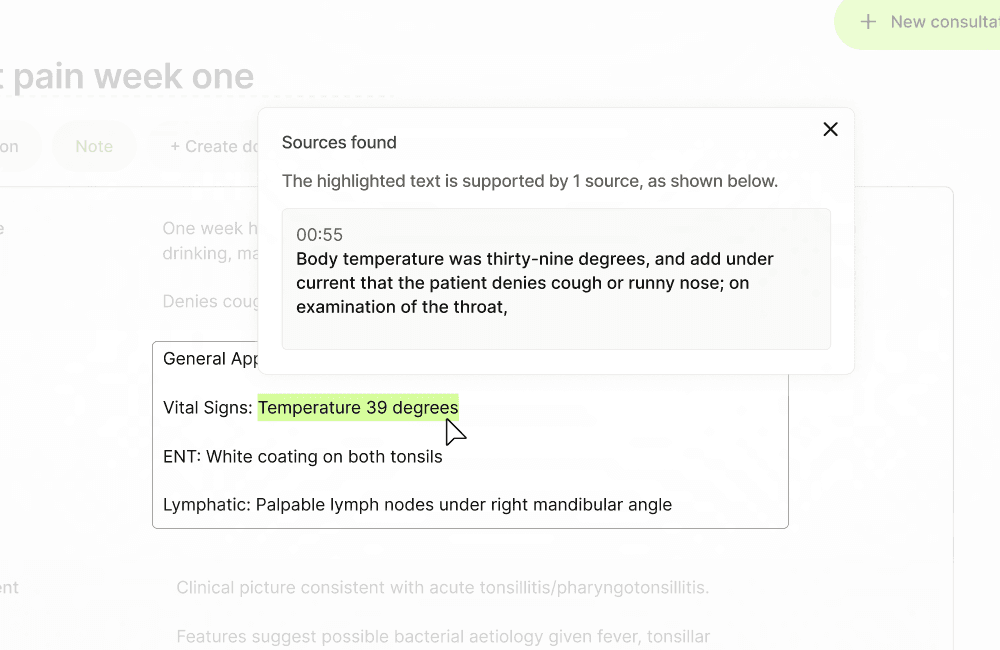
Each section of a generated note can be traced back to the transcript segment it came from. Clinicians can click an inline reference to review the source context, making it easier to verify AI-generated content and support audit trail requirements.
Undo edits: Cmd/Ctrl+Z
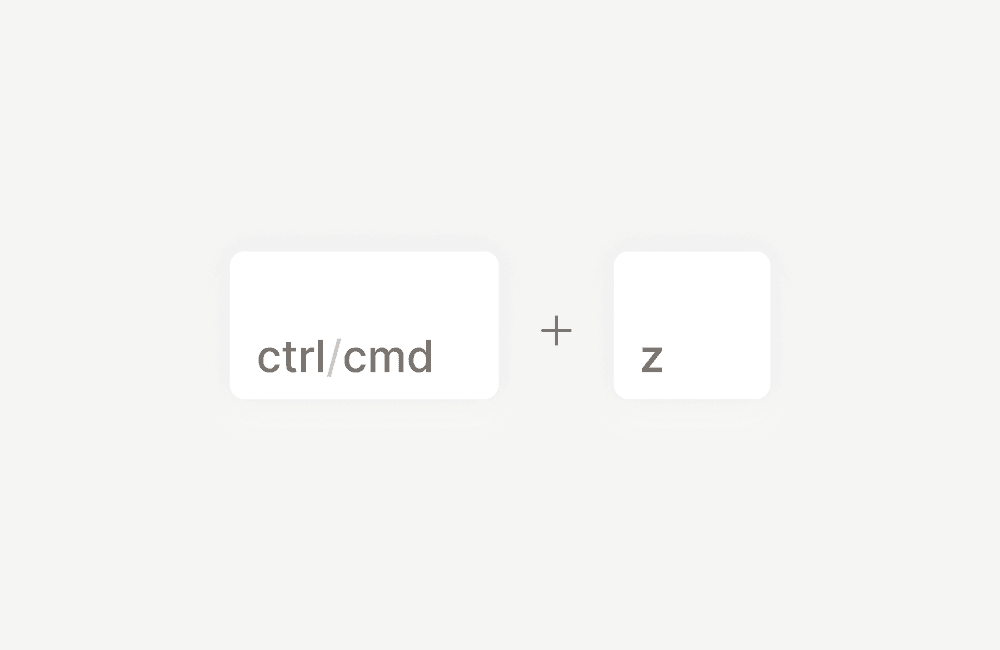
Undo now covers the full range of changes made to a note: manual edits, AI adjustments, note regeneration, template changes, and field deletions. Previously, only adjustments could be reverted via the Revert button. The new keyboard shortcut works across all edit types in a single step.
Transfer-blocking code guidance
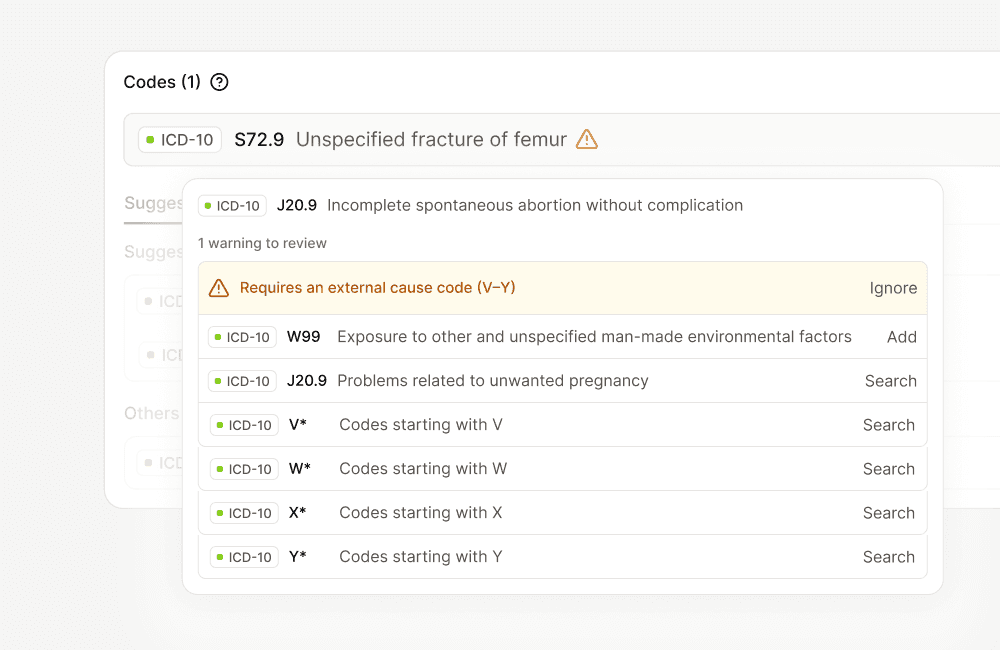
When a selected code would block or delay a patient transfer, the Coding Assistant flags it and suggests how to resolve it before the record is finalised.
Additional improvements
Browser extension updates — The Tandem browser extension has been updated with improved stability and faster load times across supported EHR systems.
Auto-transfer default enabled (Coding Assistant) — Automatic transfer of completed coding episodes to downstream systems is now enabled by default for new deployments.
New integrations
Gerica (Norway) — Full production integration with Gerica. Clinical notes, referrals, and exercise programmes can be sent directly to the patient record.
Treserva (Sweden) — Integration with Treserva, used across social care and care home settings in Sweden.
Nexuzhealth (Belgium) — Clinical notes can be sent directly to Nexuzhealth, the leading EHR in Flemish hospitals and care settings.
Medatixx x.vianova (Germany) — Integration now available for German GP practices.
Compucare (UK) — Integration with Compucare, used in independent hospitals and specialist clinics across the UK.
Accurx Scribe improvements (UK) — Expanded Accurx API integration now includes patient-facing PDF summaries. Clinicians can generate a structured summary and send it directly to the patient via Accurx after a consultation.
Epic (FHIR) — Integration with Epic via FHIR API, supporting clinical note transfer directly into the patient record. Uses SMART on FHIR authentication. Compatible with Epic instances globally, including Apotti in Finland.
Oracle Health Millennium — Integration with Oracle Health Millennium (formerly Cerner) via FHIR API. Clinical notes can be transferred directly to the patient record using SMART on FHIR authentication.
Template Builder and Memories
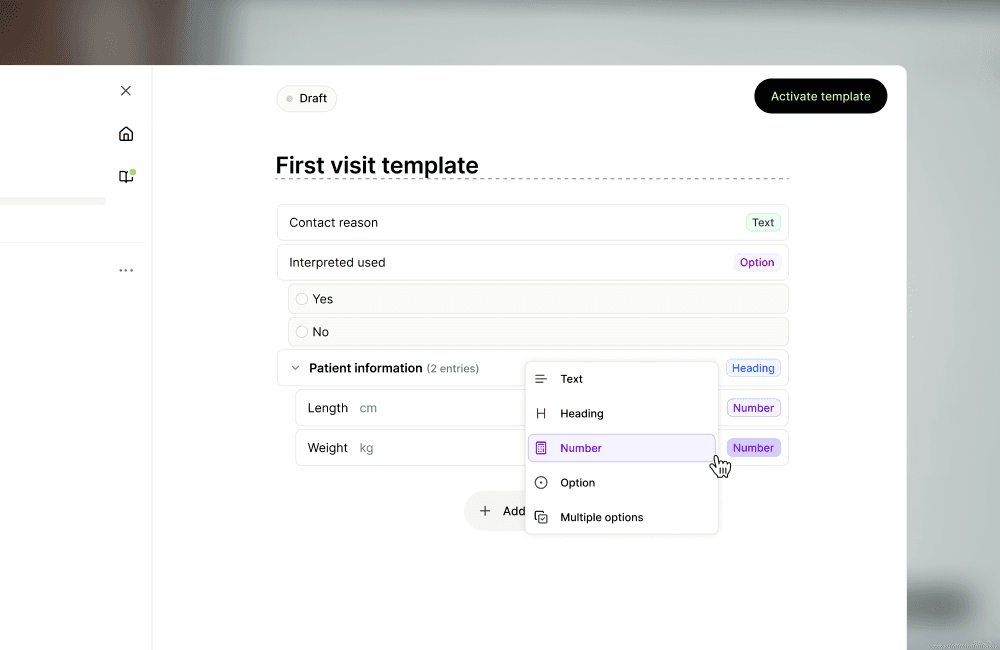
Template Builder
You can now build and manage your own clinical note templates directly in Tandem, without involving our team.
Start from scratch or duplicate an existing template. Define the structure, name your entries, and activate it in minutes. Tandem automatically maps generated notes to your template structure.
Entry types: free text, headings, numbers, single choice, and multiple choice. Use Custom structure to write your own formatting instructions for a specific entry.
When activating a template, choose who sees it: everyone at the clinic, specific professions, or just yourself. Templates save automatically and stay private until you activate them.
Memories
Memories let you add instructions to any template or entry to guide tone, formatting, or phrasing, without changing the template structure itself.
Two types are available. Template memories apply to the whole note. Entry memories apply to a single section.
Clinic administrators can set memories for everyone. Individual clinicians can add their own.
What’s new: February 2026
Template memories
Individual clinicians can now add their own memories to templates, teaching Tandem their preferred phrasing, abbreviations, and documentation habits. Clinic admins and Tandem admins can view and manage memories across users.
Clinic-level memories
Memories can now also be set at the clinic level. Clinic admins can add instructions that apply to every clinician at the clinic for a specific heading and template, giving a lightweight way to standardise tone and phrasing without rebuilding templates.
Targeted Add or Adjust
You can now select exactly which sections of your note to adjust. Click on one or more headings before giving your instruction, and the edit applies only to those sections. No more unintended changes to the rest of the note.
Preview note in template editor
Template creators can now generate a preview note directly inside the editor before publishing. Choose a recent encounter and see exactly how the template will produce a note, so you can iterate on structure, headings, and memories without going live.
Resume encounter
The resume encounter feature is now available to all clinicians. Clinics can choose to surface the button directly in the bottom bar for workflows where it's used frequently.
Multiple documents per session
Generate more than one referral letter, patient summary, or other document from a single encounter. Each document is independent and maintains separate edits.
Additional code suggestions
Beyond the initial recommended codes, Tandem now surfaces additional suggestions that can be expanded progressively. Quicker for a clinician to glance at a code and skip it than to realise one is missing and go searching.
Pinned codes
Clinicians can now pin commonly used codes as personal favourites. Clinic admins can also set shared pinned codes that appear for everyone. Useful for standard procedure or visit codes you apply to most encounters.
Encounter type context for coding
Code suggestions can now take encounter type (in-clinic, teleconsult, video call, follow-up) and clinician profession into account. Reduces miscoding in frameworks like KVÅ, NGAP, and Normaltariffen where the right code depends on the visit type, not just the clinical content.
Additional improvements
Background code generation: code suggestions now generate while the note is being produced, so they often appear without a separate loading step.
What’s new: January 2026
Restore deleted encounters
Clinicians can now recover encounters they've accidentally deleted. A new Trash page in Settings shows all non-anonymised deleted encounters that are still within the retention period. No more support tickets for accidental deletions.
Code billing values
Coding frameworks now support displaying billing values alongside each code suggestion. In frameworks like the French NGAP, this makes it easier to identify the more specialised (and typically correct) option. Ordering by billing value is off by default and configurable per clinic.
Additional improvements
Tandem for Web now captures system audio from web-based conferencing services (e.g. Google Meet) on Mac, so users no longer need a separate application for teleconsultation recording.
Quick phrases can now trigger automatically by typing the phrase followed by a space. No need for a semicolon prefix. Disabled by default; enable in Settings.
Note dates now reflect when the encounter started, not when the note was generated.
What’s new: December 2025
Verbosity control
Choose how detailed your notes are with a new verbosity setting. Set your preference to brief, standard, or comprehensive, and Tandem adjusts the level of detail across the entire note to match.
Redesigned template selector
The template picker has been refreshed with a cleaner layout and improved mobile support, making it faster to find and switch between templates.
Additional improvements
Clinic-level language settings: clinic admins can now configure which note generation languages are available for all clinicians at their clinic, instead of setting them per user.
Browser extension updates no longer force tab refreshes, reducing disruption during deployments.
Improved UI for Code Search
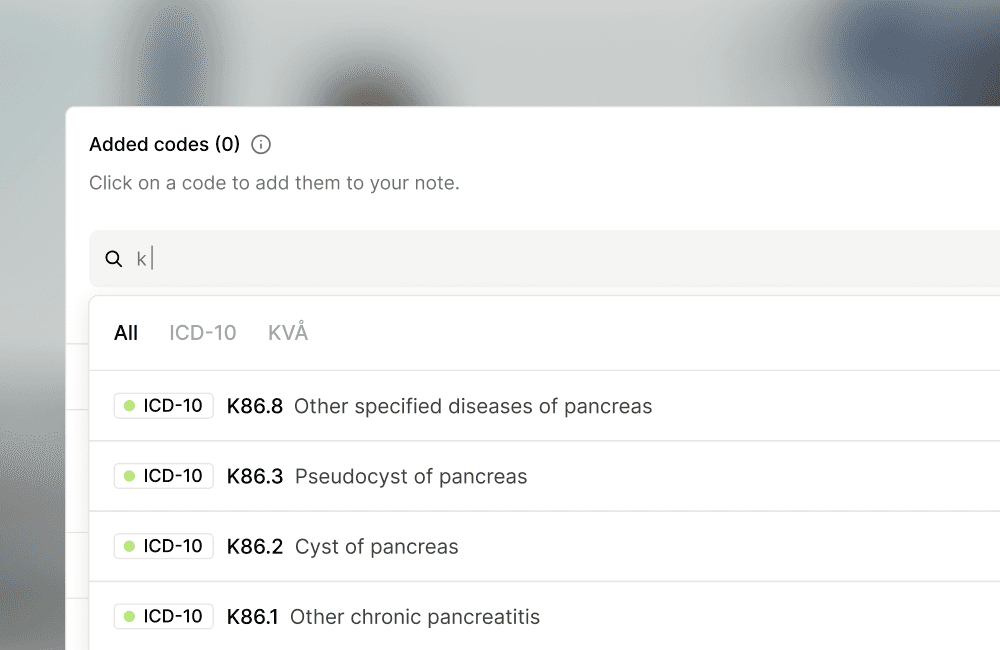
Bigger search field
The search field is now bigger, allowing more codes to be visible while typing.
New languages keywords & synonyms
Keywords & synonyms have been added in Swedish, German, English, and Finnish to make finding relevant codes easier.
Improved code search
The order of codes are now sorted by how commonly they are used, to make popular codes easier to find.
What’s new: November 2025
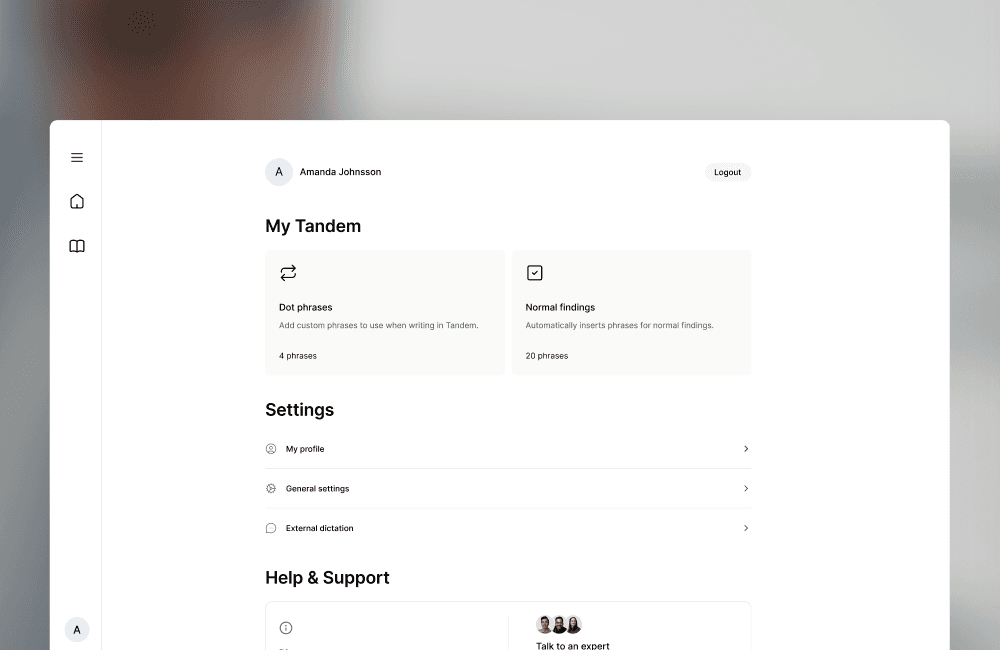
Updated settings page
The settings page has gotten a facelift with improved navigation and a more modern look and feel.
Disable microphone by default
You can now choose to disable the microphone by default when clicking Add or Adjust. This may be used by clinicians who prefer typing adjustments instead of dictating.
Additional improvements
Improved self-serve onboarding flow
Fixed bug where the Dictaphone feature asked for re authentication
Improved detection of audio issues
Miscellaneous stability improvements
Clinical Decision Support is now live
Clinical Decision Support is the part of Ask Tandem that answers clinical questions during the visit. It's live today with select customers across Europe and is CE marked under the European Medical Device Regulation (EU MDR) as a Class IIa medical device.
Ask a clinical question during the visit
Clinicians can now ask a clinical question in the same chat that just wrote the note. The answer comes back specific to the patient, drawing on the documented case context, in seconds.
Get every answer linked to its source
Every answer cites the guideline, protocol, or paper it came from, so you can verify or follow up before acting on it. Tandem draws on global evidence (Elsevier, NICE), national clinical guidelines, drug references, and any local protocols your clinic has uploaded.
Add your clinic's local protocols
Clinic admins can upload local clinical protocols. CDS uses them alongside national guidelines when answering questions, so the team's own conventions show up in the same chat. Enterprise feature.
Now certified as a Class IIa medical device
Clinical Decision Support is CE marked under the European Medical Device Regulation (EU MDR). Tandem is the only clinical AI platform in Europe with an AI Scribe, Coding Assistant, and Clinical Decision Support, each independently certified at this classification.
Get early access
CDS is available today with select customers across Europe. Request early access at tandemhealth.ai/product/clinical-decision-support.
What’s new: May 2026
Add images and PDFs as context
Tandem can now use images and PDFs as additional context when generating a note. Upload a referral letter, a previous note, or a patient's blood pressure log, and Tandem reads the text and uses it in the draft. Raw images and files aren't stored after the note is generated. Currently in early access.
Split a note by reason for visit
Encounters with more than one reason for visit can now produce a separate note per reason. Useful for workflows where each reason needs its own entry, like the Dutch SOEP method or care plans. Rolling out to clinics gradually.
Share templates across your organisation
Parent clinic admins can now add templates to a clinic-wide library that automatically inherits down to child clinics. Sharing and activation are also separate now: you can make a template available without forcing every clinician to use it. Currently in early access.
Customise how Tandem names your encounters
Clinic admins can choose how Tandem names encounters across their clinic. Pick one of four presets, or write a custom rule. Each template can also override the clinic default when a particular flow needs something different.
Record on Android, even when offline
The Tandem Android app is now generally available on Google Play. It records in the background, on a locked screen, and without an internet connection. Audio syncs the next time the device is online. USB microphones and MDM for larger deployments are supported.
Additional improvements
Visit context clarification: when adding extra text alongside a visit, you can now tell Tandem whether it belongs to the current visit or comes from a prior one. Useful when pasting notes from a previous clinician or another setting.
My Clinic dashboard upgrades: new metrics and filters across Weekly overview, Clinic stats, and Clinician stats, including median recording time, Adjust usage per note, and a profession filter.
Use Tandem in Hebrew: Hebrew is now supported across Tandem, including full right-to-left text rendering in the interface.
What’s new: April 2026
Tandem suggests memories from your Adjustments
Tandem now picks up on how individual clinicians refine their notes through Adjust, and applies those preferences to every new draft. No setup needed. The more you Adjust, the more the notes sound like you from the first version.
Catch audio quality issues mid-consultation
If the microphone picks up noisy, low or poor audio quality during a recording, Tandem now flags it in real time so the clinician can adjust before the consultation ends, rather than discovering a thin note afterwards.
Transfer notes to the medical record system from the secretary inbox
Secretaries can now transfer notes to the medical record system directly from Tandem.
Claim tasks in the secretary inbox
Secretaries can now claim a task in the inbox so the rest of the team can see who's working on what. Claimed tasks show "Claimed by [Name]" to other secretaries and to the clinician. Claims are a signal, not a lock. Anyone can still pick up a claimed task or release it.
See Tandem usage across your organisation
Clinic admins have a new dashboard showing how Tandem is being used across their organisation: active clinicians, usage trends, and where adoption is strongest. A single view for reporting and for spotting teams that need more support.
Undo any draft edit
Ctrl/Cmd + Z now steps back through any change you've made to a draft note in the current session. Manual edits, AI adjustments, full regeneration, template changes, and field deletions are all reversible, not just the most recent one. The history resets when you reload the page.
New integrations
New medical record system integrations: Treserva Web, Promedico ASP, and Teladoc Health (Salesforce).
Get started with Tandem today
Join thousands of clinicians enjoying stress-free documentation.
Get started with Tandem today
Join thousands of clinicians enjoying stress-free documentation.
Get started with Tandem today
Join thousands of clinicians enjoying stress-free documentation.