The Hill Surgery boosts documentation accuracy, codes critical data automatically, and reaches 100% clinician adoption with Tandem
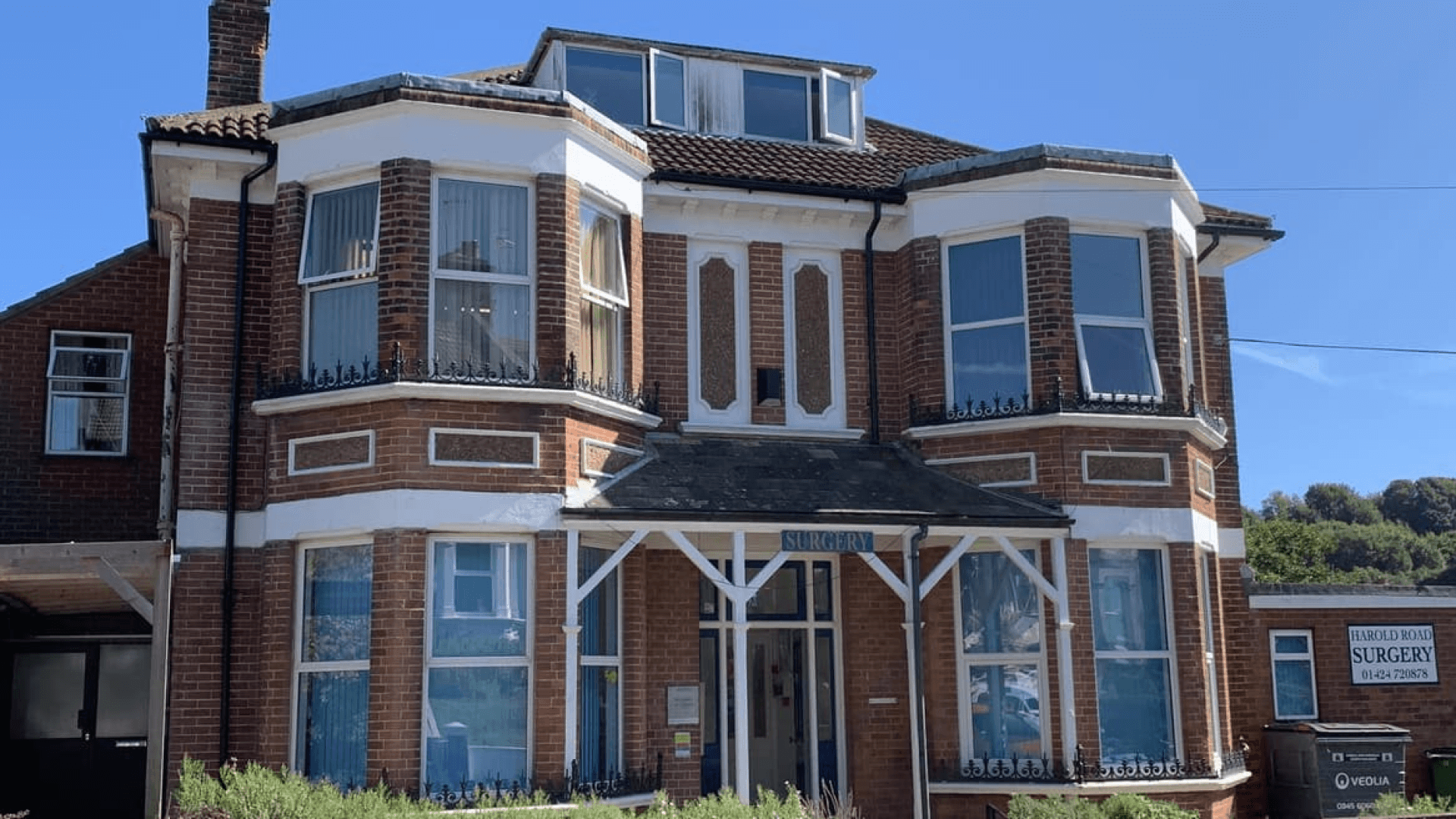
The Hill Surgery, serving patients in Hastings, East Sussex, faced a high-stakes challenge: ensuring consistently accurate clinical notes - especially those generated by non-doctor staff—while maintaining efficiency and care quality. GP partner Dr. Milan Radia was acutely aware of the liability that poor documentation could create and needed a solution that removed risk without disrupting consultation flow.
Medical record system:
EMIS
Type:
General Practice
Amount of clinicians:
50+
All patients
welcomed use of Tandem
100%
clinician buy-in
At a glance
EHR integration: Direct EMIS integration - eliminating copy and paste
Practice wide deployment: Enabled for over 50 GPs and non-doctor staff
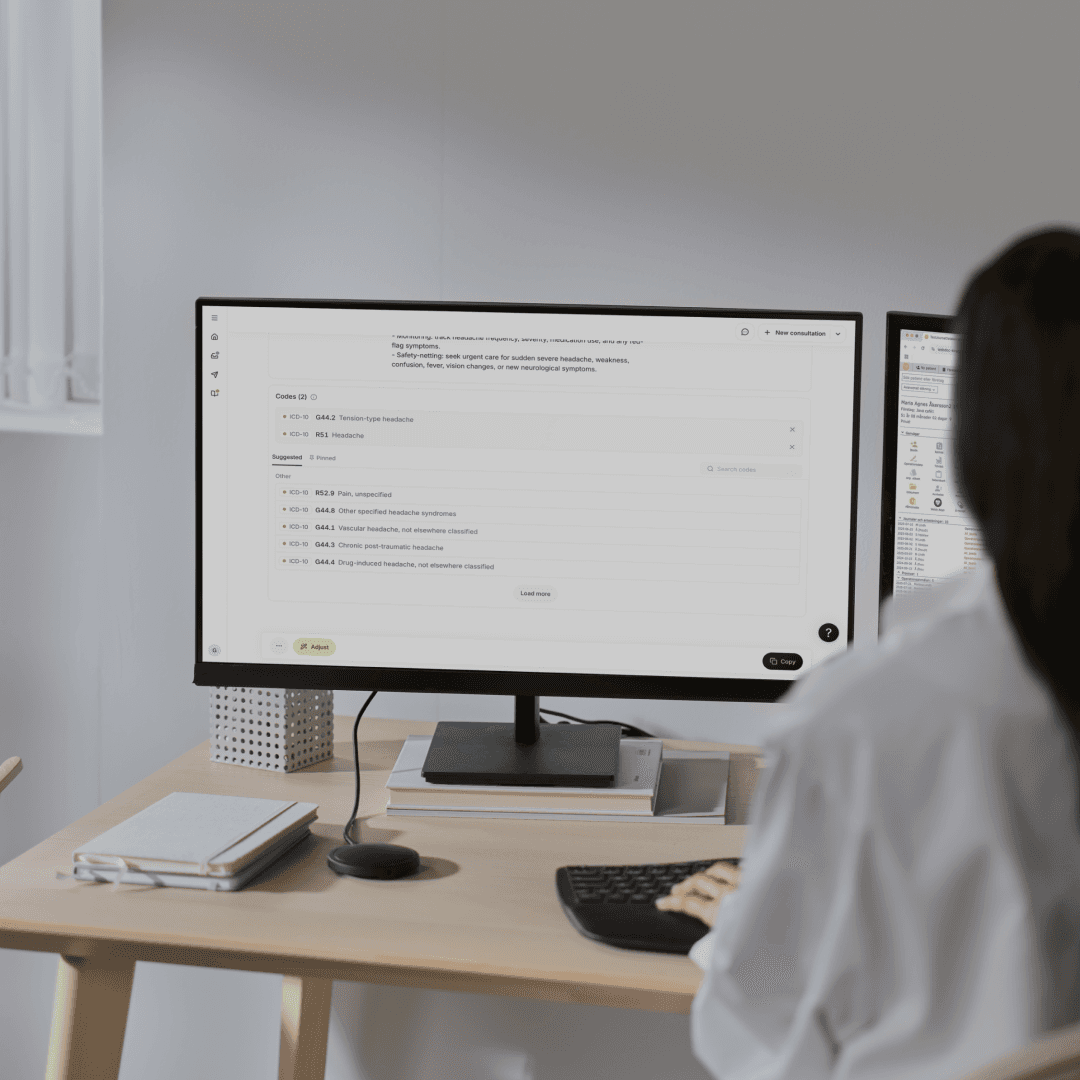
Documentation quality: Notes are more accurate, better coded, and easier to search
Patient experience: Patients feel more listened to; none declined AI use during a visit
Operational impact: Clinicians feel safer, less stressed; workload falls as note-taking burden decreases
The Challenge: Risk and distraction undermining care clarity
At The Hill Surgery, documentation wasn't just time-consuming - it carried potential legal risk. If nurses or pharmacists generated poor-quality notes, GP partners would be held accountable. As Dr. Radia shares, “If notes are poor… it puts liability on us as partners.” Clinicians found it difficult to maintain eye contact and rapport during consultations when juggling note-taking.
“We won’t go back to not having a scribe.”
– Dr Milan Radia, GP Partner
The Solution: AI scribe that supports clinical responsibility
Dr. Radia introduced Tandem’s AI medical scribe to address both quality and accountability. Tandem listens during consultations, structures notes automatically, and integrates directly with EMIS—a critical differentiator. As Dr. Radia observed, “this just works with how we actually practice.” Today, Tandem is used daily by GPs, nurses, and pharmacists alike—and as he puts it, “We won’t go back to not having a scribe.”
Results: Safer notes, calmer clinicians, better patient focus
The impact was felt across clinical, operational, and emotional dimensions:
Better documentation: Notes are more accurate, better coded, and easier to search
Staff confidence up: Non-doctor staff document with greater confidence; GPs feel safer reviewing records
Enhanced patient experience: Patients feel more heard and less distracted by clinician note-taking; none declined AI assistance
Efficiency gains: Clinicians perceive reduced workload because they aren’t torn between care and paperwork
Team morale: Clinicians deliver “quality medicine” with critical details—such as BP and exam findings—properly coded
“Tandem has improved the accuracy of notes — capturing useful information I wouldn’t have recorded due to time constraints.”
– Denise Koppschall, Physician’s Associate
“It makes clinic a lot more efficient and less stressful.”
– Janine Farmer, Advanced Nurse Practitioner
From Pilot to Routine Use
While the exact pilot timeline isn’t specified, today Tandem is firmly embedded in daily operations at The Hill Surgery. It’s used consistently by both GPs and non-doctor clinicians, with unanimous clinical buy-in and no plans to revert to manual documentation.
Built on safety, trust, and shared responsibility
This case reflects how AI—when integrated thoughtfully and with clinician control—can protect both patient safety and practitioner accountability. At The Hill Surgery, the deployment prioritized clinical sovereignty: clinicians retained full oversight of documentation, Tandem simply enabled better presence and risk mitigation.
“This just works with how we actually practice.”
– Dr Milan Radia, GP Partner, The Hill Surgery
“Tandem has improved the accuracy of notes—capturing useful information I wouldn’t have recorded due to time constraints. It makes clinic a lot more efficient and less stressful.”
– Denise Koppschall, Physician’s Associate, The Hill Surgery